

About Us
What’s a PBA?
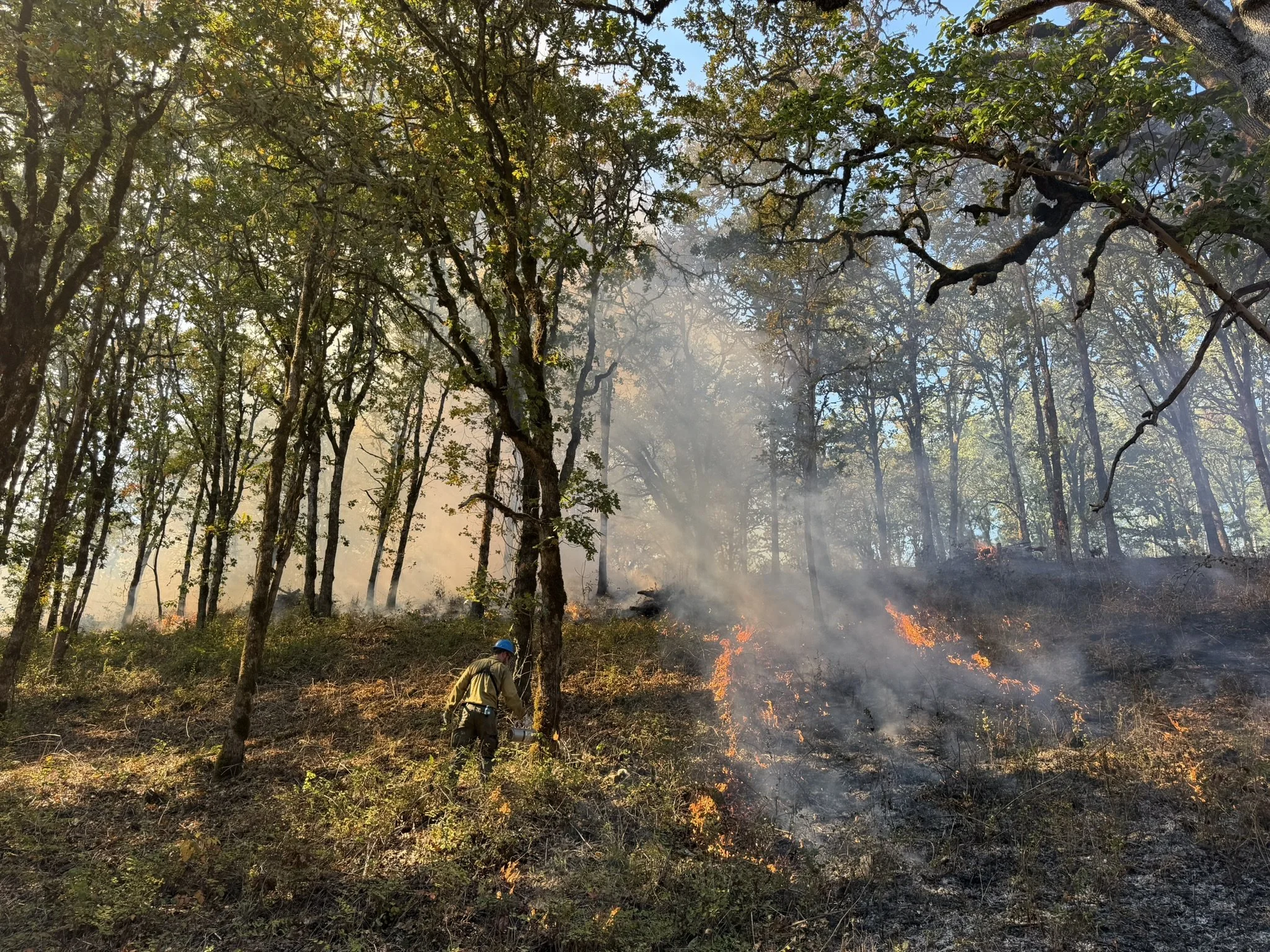
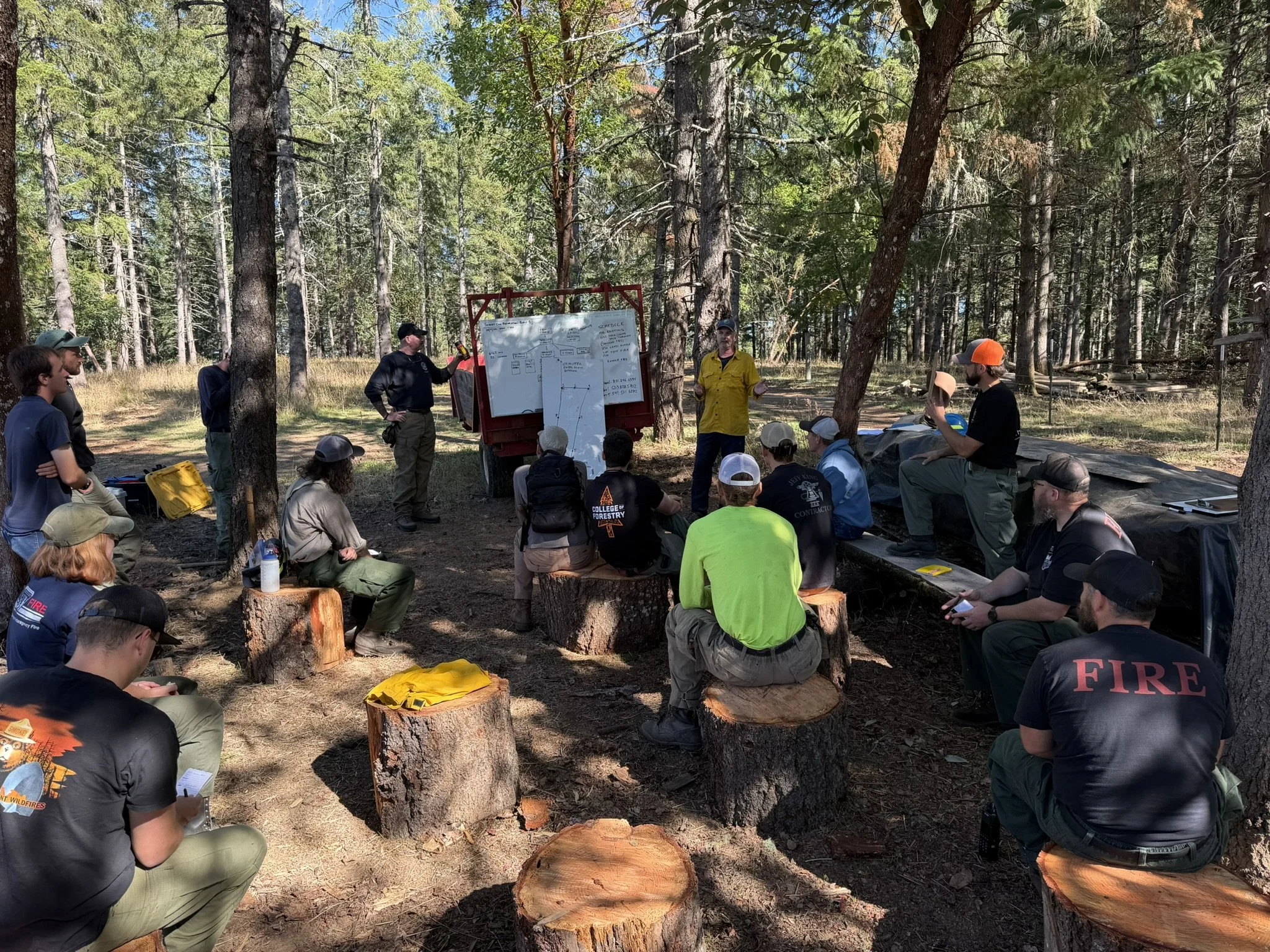
A Prescribed Burn Association (PBA) is a “neighbors helping neighbors” model, people coming together to learn, plan, and carry out burns safely. PBAs combine local knowledge, shared equipment, and hands-on training to make prescribed fire more accessible and community-driven.
Mid-Willamette Prescribed Burn Association
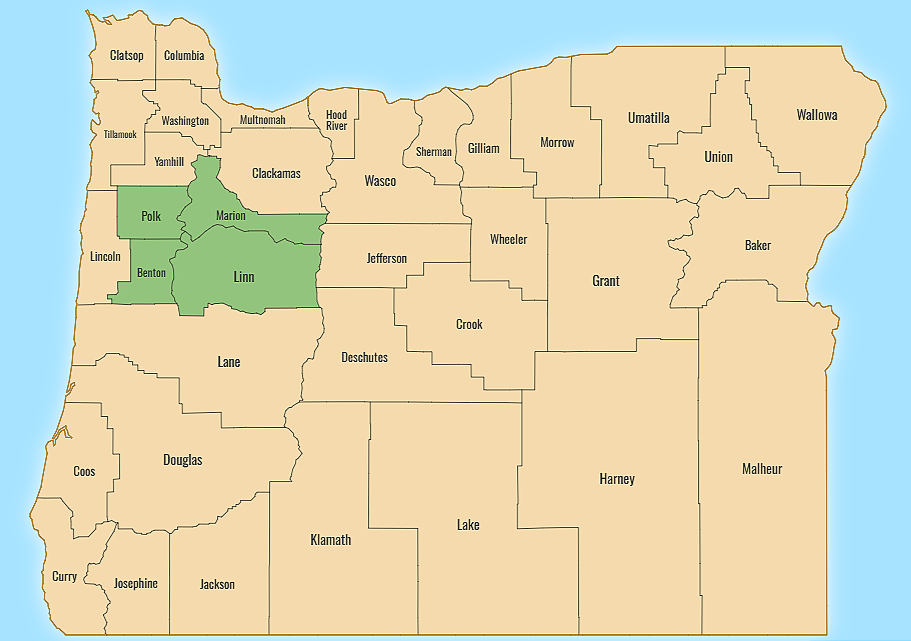
The Mid-Willamette Prescribed Burn Association (MWPBA) is a community-led network of landowners, volunteers, and partners working together to bring good fire back to the Mid-Willamette Valley (Linn, Benton, Polk & Marion Counties). We build skills, share resources, and support each other in safely planning and implementing prescribed burns on private and non-federal lands.
Our Mission
The mission of the Mid-Willamette Prescribed Burn Association (MWPBA) is to support the planning, preparation and implementation of prescribed burning through training, technical assistance and community building. We aim to combine knowledge and resources to increase the presence of beneficial fire on the Mid-Willamette Valley landscape. Our goal is to restore the land, reduce wildfire risk, and re-establish a culture where people and fire thrive together.
Our Vision
A Mid-Willamette Valley where communities use beneficial fire to build resilient landscapes, thriving ecosystems, and a lasting culture of fire stewardship.
STEERING COMMITTEE
-
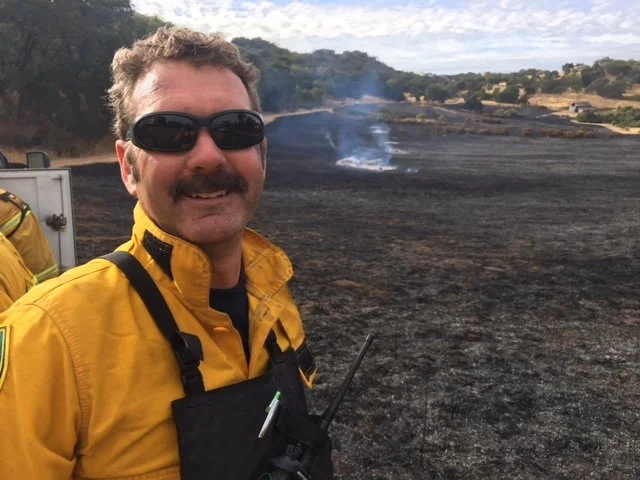
Michael has worked in environmental stewardship programs for the past 25 years, including watershed protection, forest restoration and prescribed fire programs. Michael is a Certified Wildfire Mitigation Specialist, Wildland Firefighter Type 1, California Burn Boss (CARx) trainee and is currently training as an Oregon Certified Burn Manager. Michael is passionate about returning Good Fire to the land and supporting the growing prescribed fire community in the northwest.
-
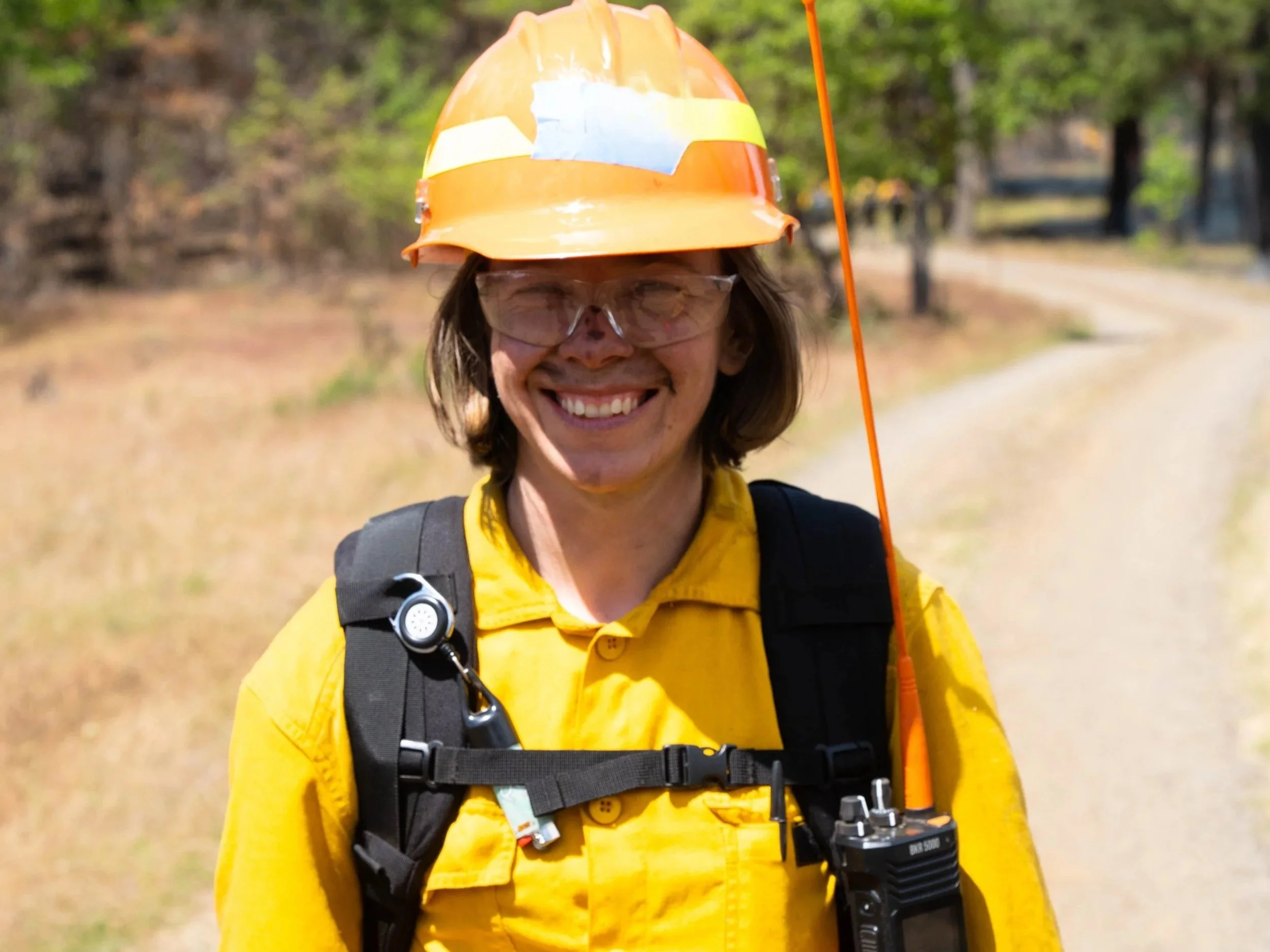
As a restoration ecologist with Institute for Applied Ecology in Corvallis, Llew does hands-on work to restore oak and prairie habitat across public and private lands. Llew sees fire as a vital part of this work, and loves thinking about how to make burning more accessible and adaptable for our time and place. Llew began volunteering on prescribed burns in 2024, and is working toward higher qualifications while remaining passionate about restoring low-intensity fire to the landscape, introducing more people to ecological fire, and the potential of burning as a community-centered process.
-
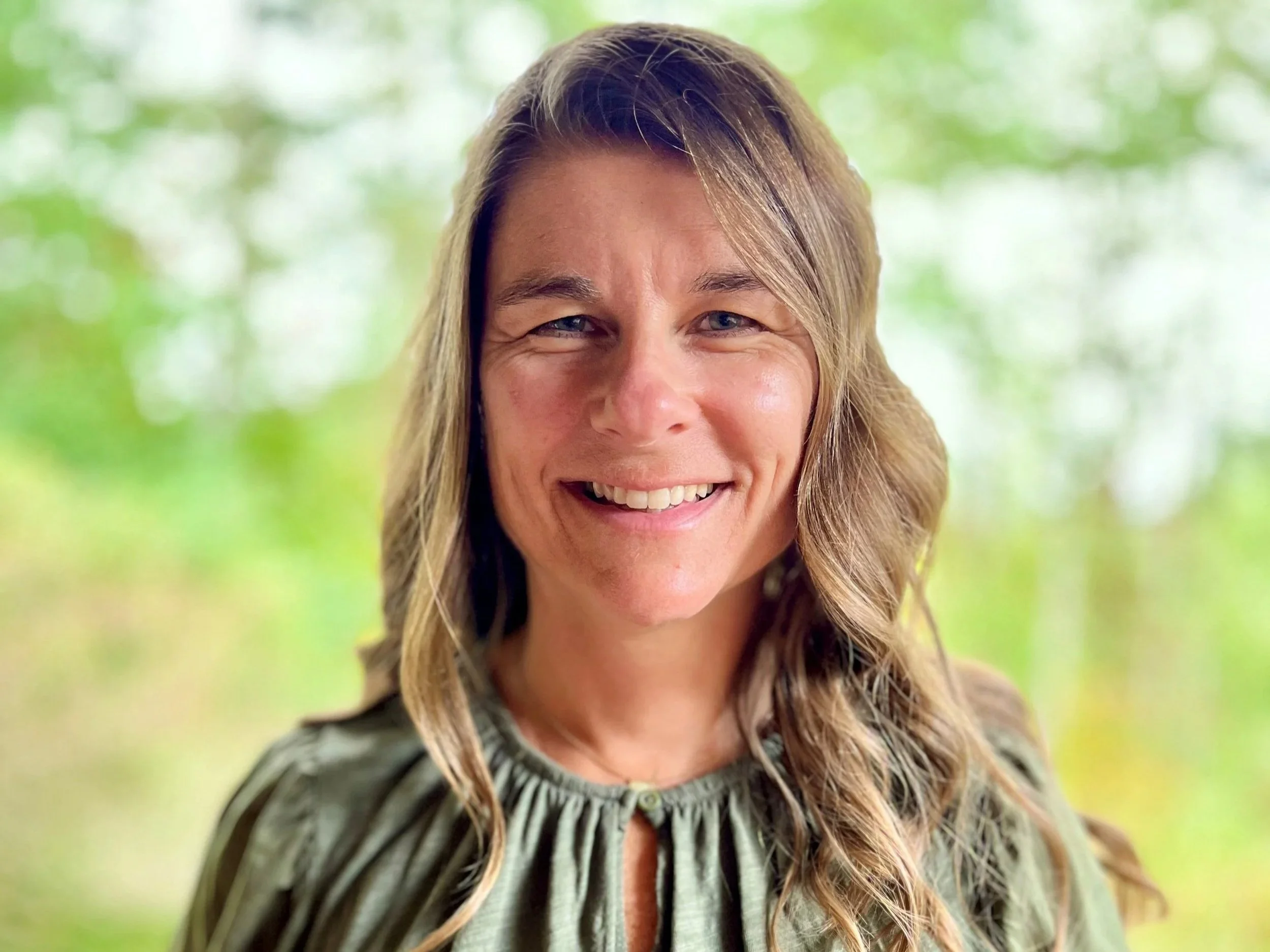
Carrie Berger serves as the Fire Program Manager for Oregon State University's Forestry & Natural Resources Extension, bringing three decades of forestry and fire-related experience to her role. She leads statewide outreach, education, and engagement efforts that build capacity for fire-adapted communities and resilient landscapes through experiential, learner-centered approaches, partnerships, and collective action. Through this work, she strives to bring good fire back to the people and landscapes of Oregon.
-
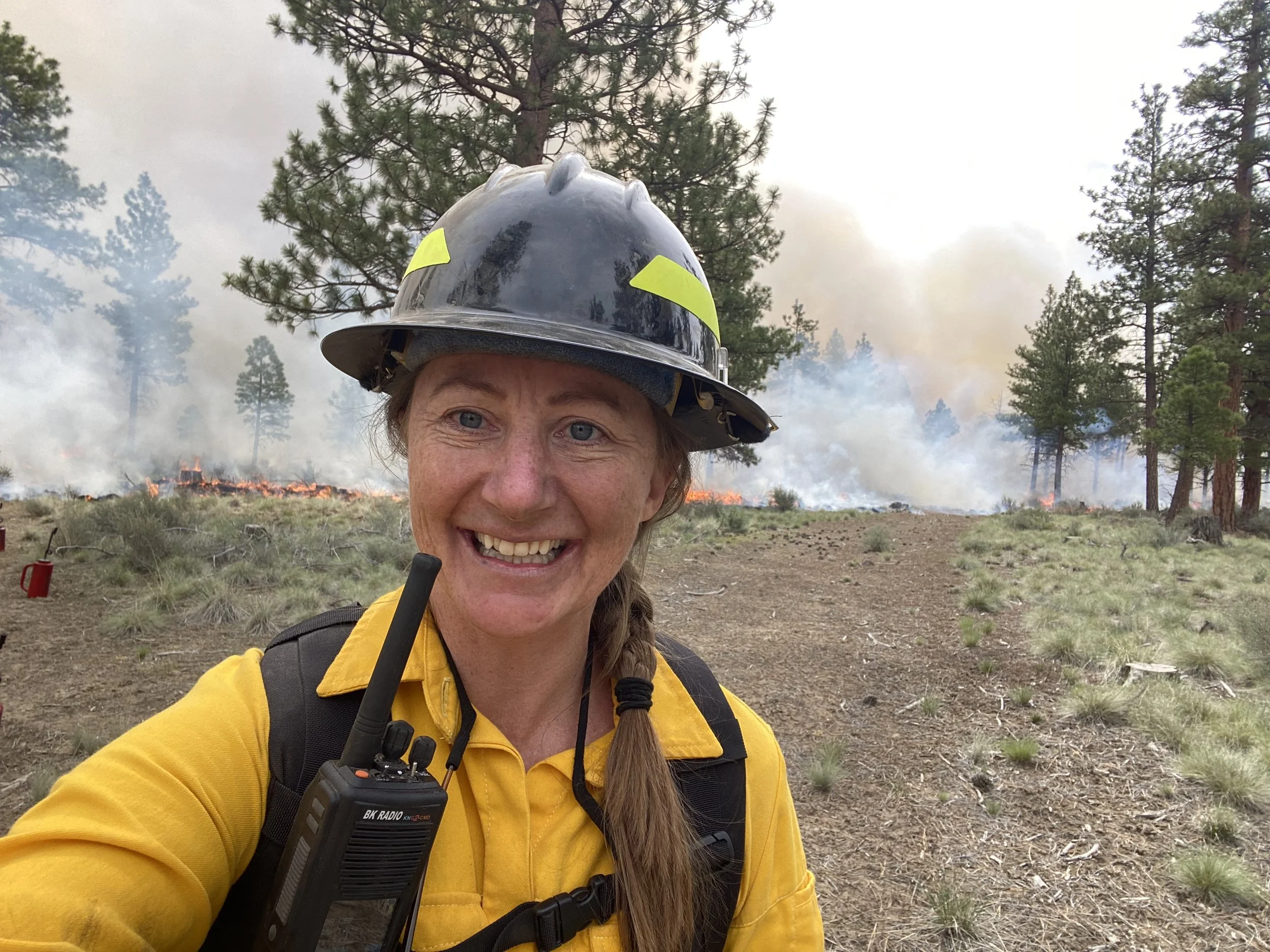
Kayla Bordelon is the Regional Fire Specialist for the Willamette Valley and Columbia Gorge with Oregon State University Extension's Fire Program. She works to strengthen community wildfire resilience by supporting partnerships, collaborative planning, and other collective action approaches that help people thrive in Oregon's fire-adapted landscapes. A key part of her work is building capacity for the safe, effective, and equitable use of prescribed fire, including supporting the growth of Prescribed Burn Associations. Over the past 20 years, Kayla has worked as a science communicator, educator, and conservation practitioner with the National Park Service, the U.S. Forest Service, the U.S. Peace Corps, and several nonprofit organizations. She earned her Ph.D. in Environmental Science and a Master of Science in Natural Resources from the University of Idaho's College of Natural Resources.
-
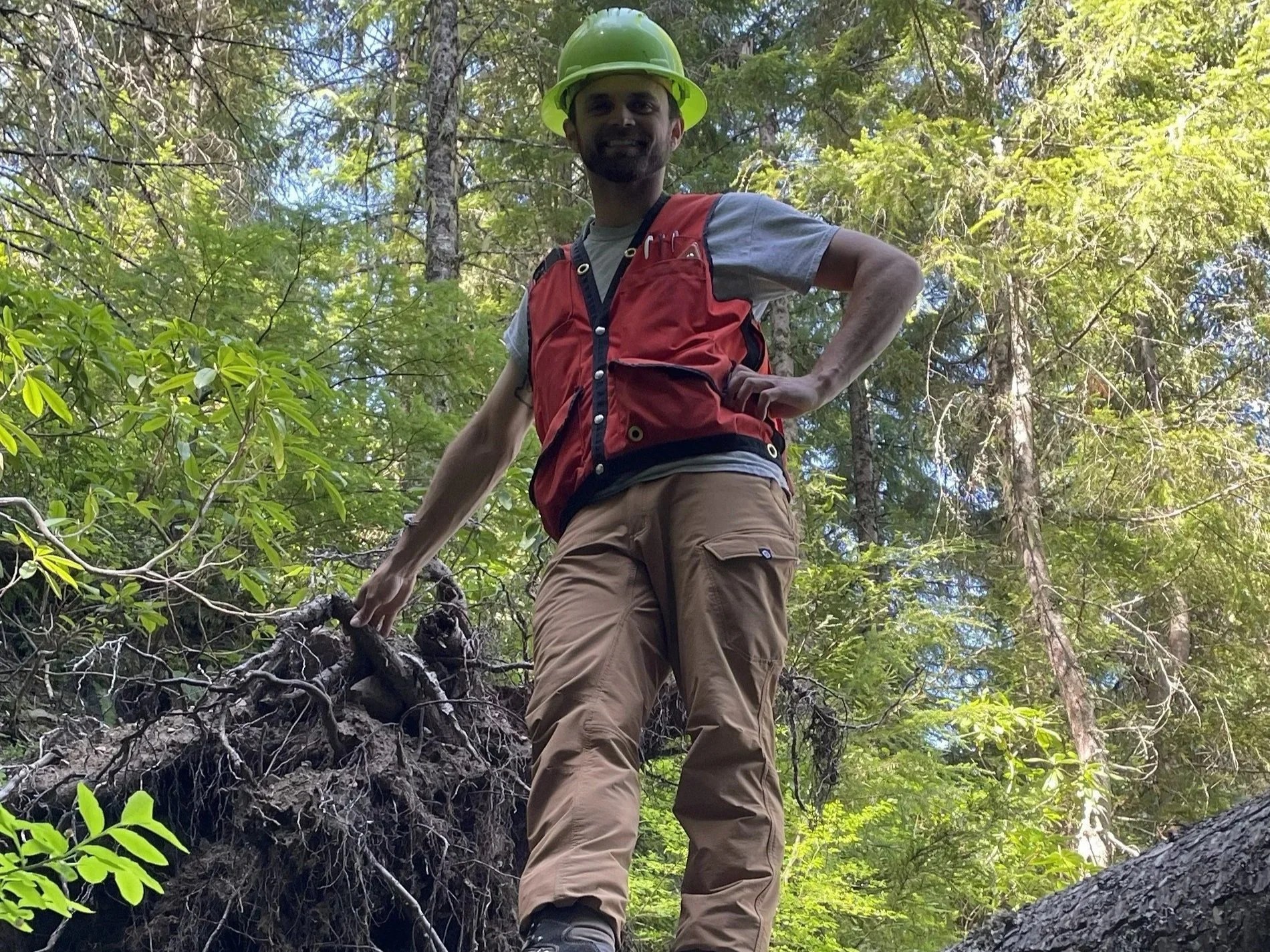
Paul Catino spent his youth exploring and camping in the foothills of the Willamette Valley. He developed a passion for land stewardship early in life being raised on a homestead. After serving in the U.S. Marine Corps, Paul began a career in Environmental Education. This ignited a passion for the message of good fire and for the restoration of fire-adapted ecosystems, which led to him obtaining a Bachelor's degree in Forestry at Oregon State in 2021. Since then, Paul has worked as a wildland firefighter, a forester, and as a fuel reduction project planner. He is an aspiring graduate student at OSU, a Certified Burn Manager Trainee, and the owner of a contracting business specializing in ecological restoration and wildfire risk reduction.
-
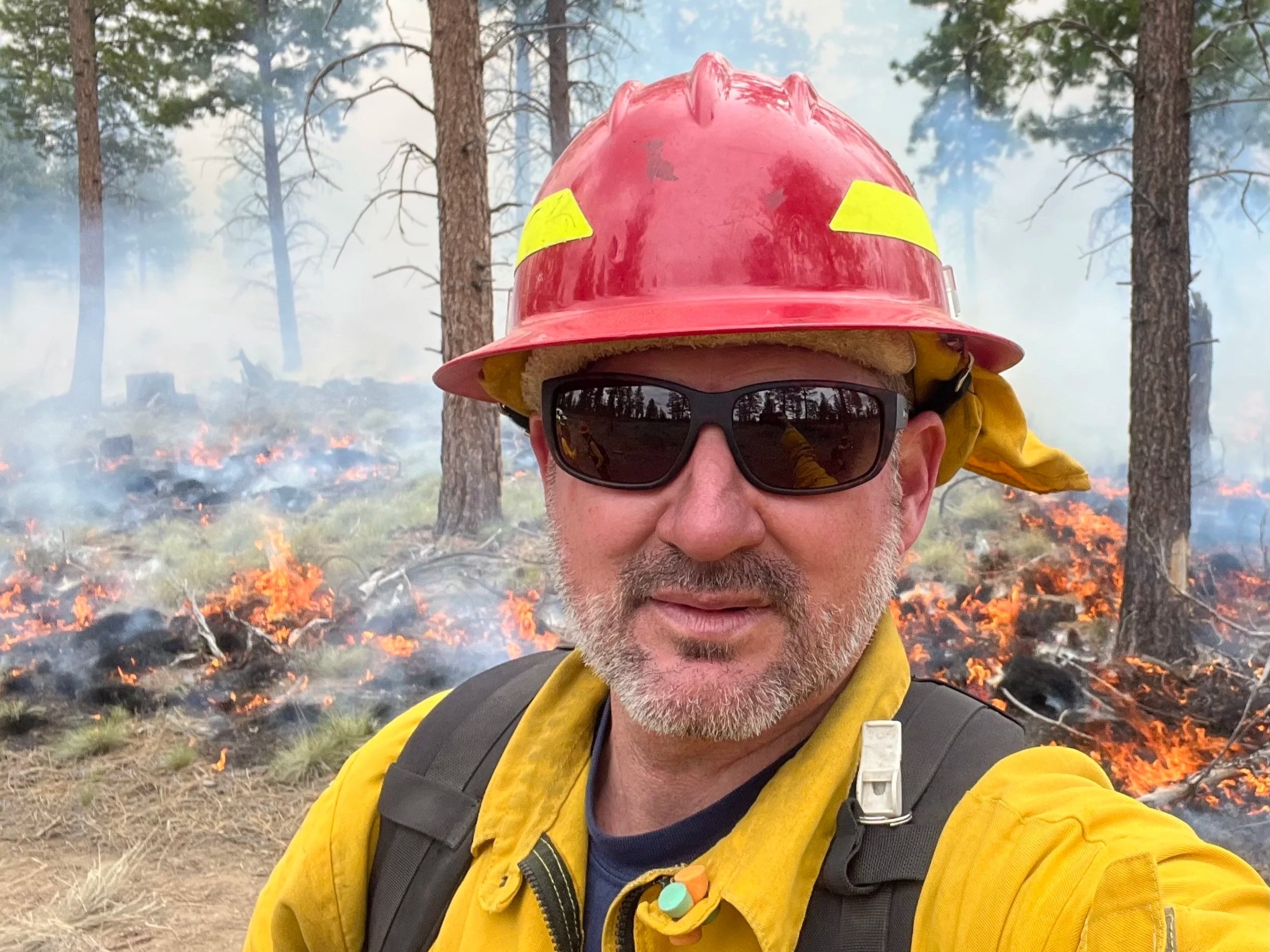
For the past 33 years, Jon Koenig has had the privilege of serving in the Oregon Fire Service. During his career, he has served in the structural fire service, wildland fire service, all-hazard incident management service, emergency medicine, and as a prescribed fire practitioner. Additionally, he is a 4th generation farmer in the North Willamette Valley where they focus on large breed animal husbandry, and small-scale seasonal flower and vegetable crops. Jon understands and appreciates the need to return our landscape to one that utilizes appropriate fire as a restorative tool.
-
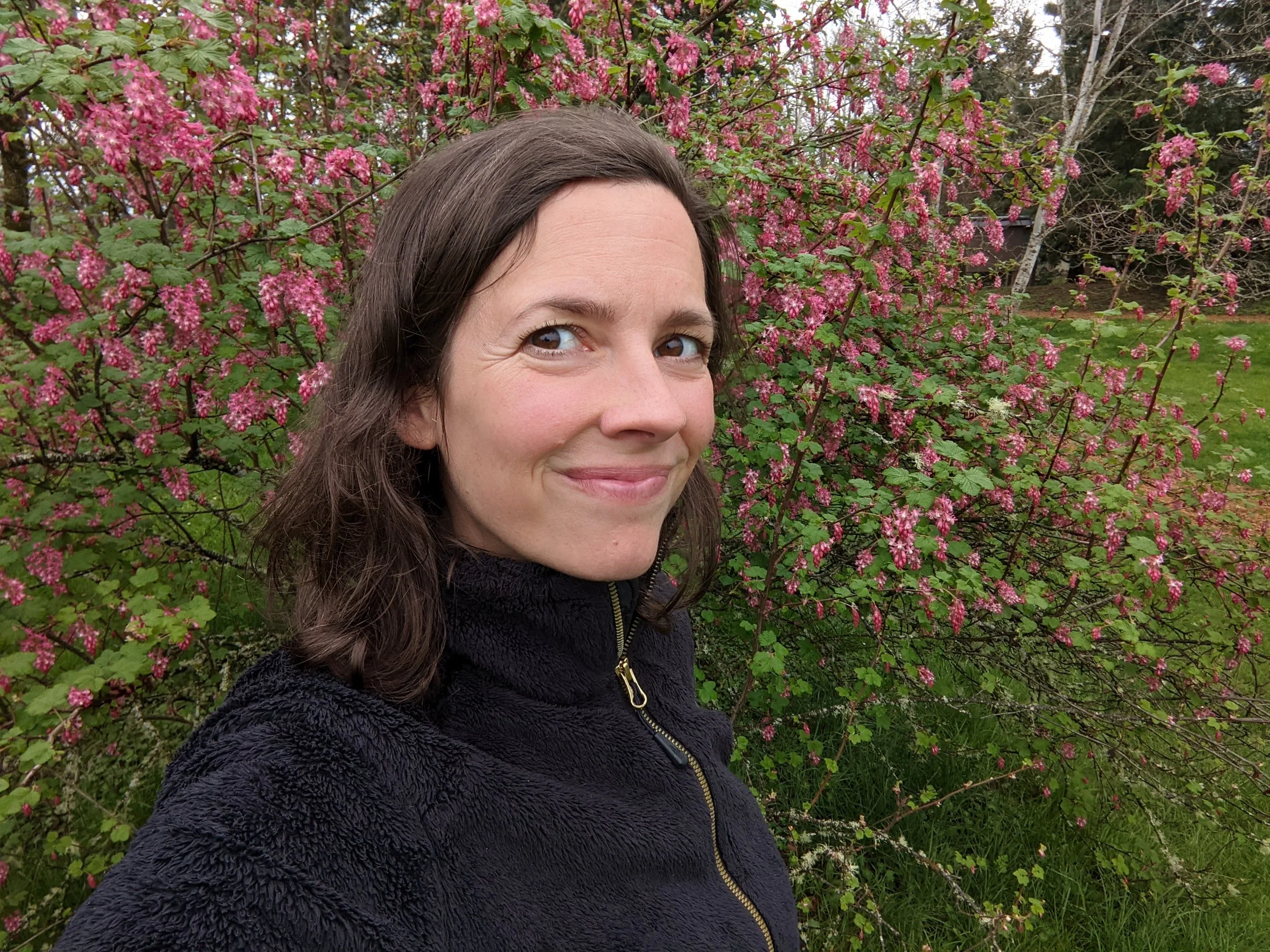
Morgan Neil is the Outreach Coordinator for the Polk Soil and Water Conservation District, where she works to connect communities to resources and opportunities to learn from each other. She has led initiatives focused on wildlife habitat enhancement, invasive species management, and community engagement In addition to being on the Mid Valley PBA steering committee, she is the Vice President of the Oregon Conservation Education and Assistance Network (OCEAN). She is passionate about collaborative approaches to conservation and land stewardship.
-
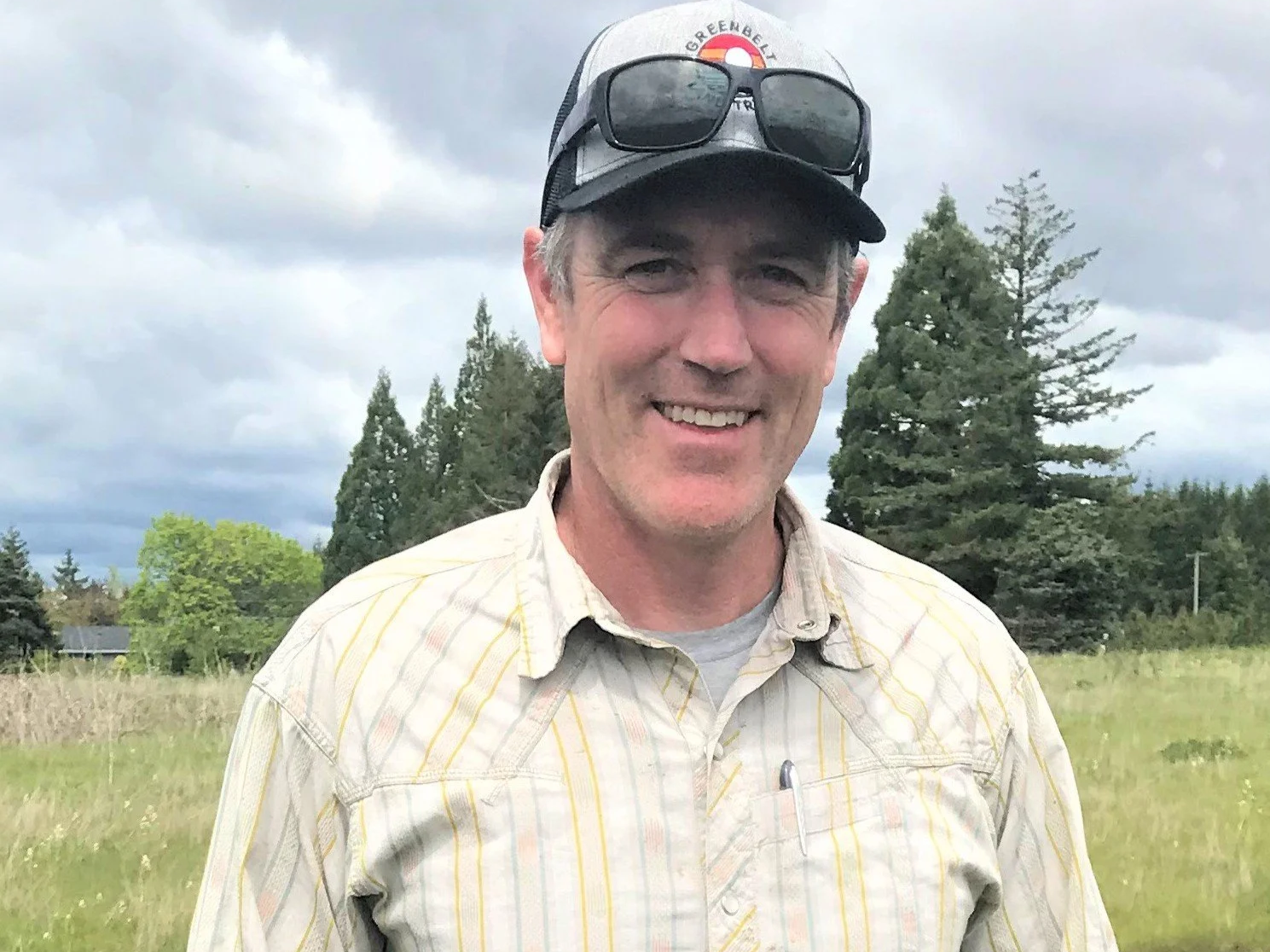
Andy has dedicated more than 20 years to restoring and caring for native habitats in the Willamette Valley. Through his work with the Institute for Applied Ecology and Greenbelt Land Trust, he has helped plan prescribed burns and prepare prairies for the beneficial fire these landscapes need to thrive. Many of the places Andy has restored or managed provide important habitat for rare species, including Kincaid’s lupine, Willamette daisy, Fender’s blue butterfly, and Taylor’s checkerspot butterfly—species that depend on regular fire to support healthy, sustainable populations. Andy joined the Mid Valley PBA steering committee to help make good fire more accessible to Greenbelt and other land managers across the MV PBA service area.